

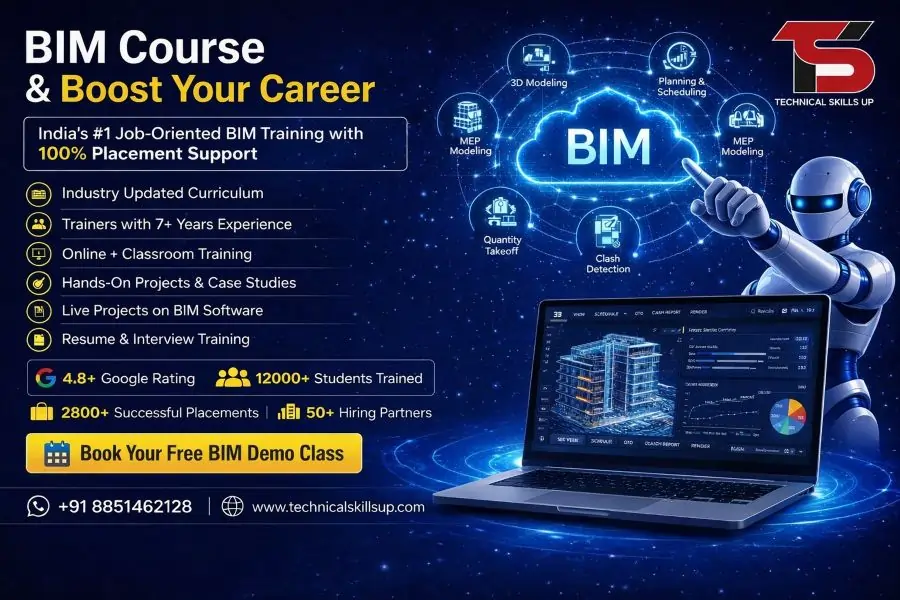
Modern construction projects demand smart planning, accurate design, and better collaboration between teams. Building Information Modeling has become one of the most important technologies in the architecture, engineering, and construction industry. A professional learning program helps students and working professionals gain practical knowledge of 3D modeling, project coordination, clash detection, and construction documentation.
Technical Skills Up provides industry-focused BIM Course in Noida designed for students, engineers, architects, interior designers, and professionals who want practical skills for real projects. Training sessions focus on live project work, software practice, and industry standards that help learners become job-ready. Expert trainers guide students through every concept using simple methods and hands-on assignments.
Career opportunities in BIM continue to grow in India and abroad because construction companies now prefer professionals who can manage digital workflows efficiently. Strong technical knowledge and project-based learning help candidates improve their confidence and professional growth.
Why BIM Skills Matter in the Construction Industry
Construction companies now use digital systems to improve project accuracy, reduce errors, and manage workflows efficiently. BIM technology supports architects, civil engineers, structural engineers, MEP professionals, and project managers by creating a collaborative environment for project planning and execution.
Professional BIM knowledge helps in:
- Creating intelligent 3D models
- Improving project coordination
- Reducing design clashes
- Managing construction documentation
- Enhancing project visualization
- Improving cost estimation
- Supporting sustainable construction practices
- Increasing productivity in large projects
Demand for BIM professionals continues to rise because modern infrastructure projects require better planning and coordination. Skilled professionals can work in architecture firms, engineering companies, construction organizations, and multinational corporations.
Industry-Focused Learning Environment
Technical Skills Up focuses on practical learning methods that help students understand real industry workflows. Trainers explain every module using live examples and hands-on exercises. Students learn software tools and project coordination techniques used in professional construction environments.
Training sessions include:
- Classroom practical training
- Live project assignments
- Real-world workflow understanding
- Software-based exercises
- Industry case studies
- Portfolio development support
- Interview preparation guidance
Learning through practical implementation helps students improve technical confidence and problem-solving abilities.
Professional Learning Modules Covered in the Program
A structured learning approach helps students understand BIM concepts from basic to advanced levels. Training modules focus on technical knowledge and practical applications used in construction projects.
Introduction to BIM Concepts
Students learn the fundamentals of Building Information Modeling and understand how digital workflows improve project execution. Basic concepts help beginners develop a strong foundation before moving toward advanced modules.
Topics include:
- BIM workflow understanding
- BIM dimensions
- Construction lifecycle management
- Digital collaboration methods
- Project coordination basics
- Model-based construction concepts
Architectural Modeling
Architectural modeling modules help learners create intelligent building models with detailed components and project documentation.
Key learning areas:
- Floor plan creation
- Wall and door modeling
- Roof and ceiling creation
- Interior layout development
- Family creation concepts
- Annotation and detailing
- Rendering basics
Structural Modeling
Structural modules focus on creating accurate structural elements used in real construction projects.
Topics covered:
- Structural framing
- Beam and column placement
- Foundation modeling
- Reinforcement detailing
- Structural documentation
- Coordination with architectural models
MEP Modeling
Mechanical, electrical, and plumbing systems play a major role in modern building design. Practical training helps students understand MEP coordination workflows.
Learning areas include:
- HVAC system modeling
- Electrical layout creation
- Plumbing system design
- Cable tray modeling
- Pipe routing concepts
- Clash detection methods
Clash Detection and Coordination
Large projects often face coordination issues between different disciplines. BIM coordination modules help students identify and resolve clashes before construction begins.
Important concepts include:
- Model coordination
- Clash analysis
- Conflict resolution
- Multi-disciplinary coordination
- Reporting methods
- Construction sequencing
Quantity Takeoff and Estimation
Construction companies require accurate quantity estimation for project planning and budgeting. Training helps students understand quantity extraction and reporting methods.
Modules include:
- Material quantity extraction
- Cost estimation basics
- Schedule preparation
- Data management
- Construction reporting
Software Tools Included in Training
Technical Skills Up provides practical training on industry-standard BIM software used by professionals worldwide. Hands-on software knowledge improves technical skills and employability.
Popular Tools Covered
- Autodesk Revit Architecture
- Revit Structure
- Revit MEP
- Navisworks
- AutoCAD
- BIM 360 concepts
- Project coordination tools
Practical exercises help learners understand professional workflows and software integration methods.
Benefits of Joining BIM Classes
Professional learning programs provide both technical and career advantages for students and working professionals. Structured training improves practical understanding and industry readiness.
Key Benefits
- Practical learning approach
- Live project exposure
- Industry-relevant curriculum
- Professional trainer support
- Portfolio development
- Career guidance sessions
- Flexible learning schedules
- Job-oriented training methods
Practical assignments help students build confidence and improve software efficiency.
Training for Students and Working Professionals
Many learners join BIM programs with different educational and professional backgrounds. Technical Skills Up provides learning support suitable for beginners as well as experienced professionals.
Suitable candidates include:
- Civil engineering students
- Architecture students
- Interior designers
- Mechanical engineers
- Electrical engineers
- Site engineers
- Draftsmen
- Construction professionals
Flexible batch timings help working professionals continue skill development without affecting their job schedules.
Practical Project-Based Training
Industry-oriented learning becomes more effective when students work on practical assignments. Project-based learning helps learners understand how BIM workflows operate in real construction environments.
Students work on:
- Residential building projects
- Commercial building layouts
- MEP coordination projects
- Structural modeling assignments
- Clash detection exercises
- Documentation workflows
Practical project exposure improves technical understanding and helps students build a professional portfolio.
Expert Trainers with Industry Knowledge
Learning from experienced trainers helps students understand practical workflows and professional standards. Technical Skills Up focuses on trainer-led practical sessions instead of only theoretical explanations.
Trainer support includes:
- Step-by-step software guidance
- Doubt-clearing sessions
- Project review support
- Industry workflow explanation
- Practical assignment assistance
Professional guidance helps learners improve accuracy and efficiency during project work.
Career Opportunities After BIM Training
Construction and infrastructure industries continue to adopt BIM technology for better project management and digital collaboration. Skilled professionals can apply for multiple roles after completing training.
Popular Job Roles
- BIM Modeler
- BIM Engineer
- BIM Coordinator
- Revit Technician
- MEP BIM Engineer
- Structural BIM Modeler
- Architectural BIM Specialist
- CAD and BIM Designer
Professionals with strong practical knowledge often receive opportunities in engineering consultancies, construction firms, architecture companies, and international projects.
Placement Support for Career Growth
Career support plays an important role in professional training. Technical Skills Up provides guidance that helps students prepare for interviews and job applications.
Placement support includes:
- Resume preparation guidance
- Interview preparation sessions
- Portfolio development support
- Job opportunity updates
- Professional career counseling
Practical training and portfolio projects help candidates demonstrate their skills confidently during interviews.
Modern Infrastructure and Learning Facilities
A professional learning environment improves focus and practical understanding. Technical Skills Up provides modern training facilities designed for technical education and software learning.
Learning facilities include:
- Computer-based practical labs
- Updated software systems
- Projector-enabled classrooms
- Practice assignments
- Learning materials
- Trainer support sessions
Comfortable learning environments help students practice software tools efficiently.
Flexible Learning Options
Different learners prefer different learning schedules depending on their educational or professional commitments. Flexible learning options help students continue skill development conveniently.
Available options may include:
- Weekday batches
- Weekend batches
- Fast-track sessions
- Online learning support
- Classroom practical training
Flexible scheduling supports both students and working professionals.
Importance of Practical BIM Knowledge
The construction industry now values practical skills more than theoretical understanding alone. Companies prefer professionals who can work on live projects and manage digital workflows efficiently.
Practical BIM knowledge helps professionals:
- Improve project coordination
- Reduce construction errors
- Enhance project visualization
- Support team collaboration
- Increase workflow efficiency
- Improve documentation accuracy
Hands-on training creates better career opportunities and long-term professional growth.
Professional Guidance for Beginners
Many students hesitate to join technical programs because they lack software knowledge or industry experience. Beginner-friendly training methods help learners understand concepts step by step.
Technical Skills Up supports beginners through:
- Basic software introduction
- Simple explanation methods
- Practice-oriented sessions
- Trainer-guided assignments
- Revision support classes
Learning through practical examples makes technical concepts easier to understand.
Strong Demand for BIM Professionals
Rapid urban development and infrastructure projects continue to increase demand for skilled BIM professionals. Construction companies now focus on digital project execution to improve quality and reduce project delays.
Industries hiring BIM professionals include:
- Architecture firms
- Construction companies
- Engineering consultancies
- Interior design companies
- Infrastructure development firms
- International project organizations
Professional BIM expertise helps candidates build stable and rewarding careers.
Advanced Workflow Understanding
Modern projects require coordination between multiple departments and teams. BIM workflows improve communication and project management through digital collaboration methods.
Advanced workflow training helps students understand:
- Model integration
- Multi-disciplinary coordination
- Data management
- Construction sequencing
- Project lifecycle workflows
- Team collaboration systems
Professional workflow knowledge improves industry readiness and technical performance.
Supportive Learning Approach
Technical Skills Up focuses on student-centered learning methods that simplify technical concepts and improve practical understanding. Trainers provide continuous support during assignments and project practice.
Learning support includes:
- Practice exercises
- Doubt-solving sessions
- Project reviews
- Revision classes
- Performance guidance
Continuous practice and trainer feedback help students improve software efficiency and technical confidence.
Certification and Professional Recognition
Professional certification helps candidates showcase their technical skills during job applications. Industry-oriented training and practical projects strengthen professional profiles.
Training completion benefits include:
- Skill validation
- Professional portfolio support
- Improved resume value
- Better interview preparation
- Enhanced career opportunities
Practical project work and software knowledge help students stand out in competitive job markets.
Start Your Professional BIM Journey
Digital transformation continues to reshape the construction and engineering industry. Professional BIM knowledge helps students and professionals build strong technical careers in architecture, engineering, and project management fields.
Technical Skills Up delivers practical-oriented BIM Training in Noida through expert guidance, live projects, and industry-focused learning methods. Strong technical skills, professional workflows, and hands-on experience help learners prepare for modern construction industry requirements.
Career-focused learning, project-based practice, and expert mentorship make training more effective for students who want long-term professional growth. A structured learning environment and practical exposure help learners gain confidence and improve career opportunities in the rapidly growing BIM industry.
Online Courses
- BIM Course
- Revit Architecture Course
- Revit MEP Course
- Revit Structure Course
- AutoCAD Course
- AutoCAD 2D Course
- AutoCAD 3D Course
Related Courses in Noida
- Revit Architecture Course in Noida
- Revit MEP Course in Noida
- Revit Structure Course in Noida
- AutoCAD Course in Noida
- AutoCAD 2D Course in Noida
- AutoCAD 3D Course in Noida
Related Courses in Delhi
- BIM Course in Delhi
- Revit Architecture Course in Delhi
- Revit MEP Course in Delhi
- Revit Structure Course in Delhi
- AutoCAD Course in Delhi
- AutoCAD 2D Course in Delhi
- AutoCAD 3D Course in Delhi
FAQs:
Q1. What is a BIM Course?
Ans: BIM stands for Building Information Modeling. It is a modern technology utilized in construction, architecture, and engineering projects. In a BIM course, students are taught skills such as 3D modeling, project planning, clash detection, and quantity estimation. Technical Skills Up’s BIM course in Noida is designed to align with industry requirements.
Q2. What are the benefits of pursuing a BIM course in Noida?
Ans: Completing a BIM course enhances job opportunities within the construction and architecture industries. This training provides practical knowledge, software proficiency, and hands-on experience with live projects. At Technical Skills Up, the BIM training in Noida places a strong emphasis on industry-based learning.
Q3. Who can take a BIM course?
Ans: Students and working professionals associated with Civil Engineering, Mechanical Engineering, Electrical Engineering, Architecture, and Interior Design can enroll in this course. Freshers can also easily join the BIM classes in Noida.
Q4. Which software tools are taught in a BIM course?
Ans: BIM training typically covers software such as Revit Architecture, Revit MEP, Navisworks, AutoCAD, and various BIM coordination tools. Technical Skills Up’s BIM training institute in Noida places a significant focus on practical software training.
Q5. What is the duration of a BIM course?
Ans: The duration of a BIM course may vary depending on the institute and the specific modules selected. Generally, the course duration ranges from 3 to 12 months. Technical Skills Up offers BIM classes in Noida with flexible scheduling options.
Q6. Can one secure a job after completing a BIM course?
Ans: Yes, the demand for skilled professionals in the BIM industry is growing rapidly. Opportunities are available for roles such as BIM Modeler, BIM Engineer, Revit Designer, and BIM Coordinator. Technical Skills Up also provides placement assistance to its students.
Q7. How much does a BIM course cost?
Ans: BIM course fees depend on the specific training modules, software covered, and the duration of the course. Fees may vary based on the chosen specialization. Technical Skills Up offers affordable BIM courses in Noida.
Q8. Can a BIM course be pursued online?
Ans: Yes, many institutes also offer online BIM training programs. Technical Skills Up offers both online and offline BIM training in Noida, allowing students to learn at their own convenience.
Q9. What job profiles are available after completing a BIM course?
Ans: Upon completing a BIM course, individuals have the opportunity to work in profiles such as BIM Modeler, Revit Engineer, BIM Coordinator, BIM Consultant, and Design Engineer. This course significantly aids in career growth.
Q10. What is the difference between BIM and AutoCAD?
Ans: AutoCAD is primarily used for 2D drafting, whereas BIM technology is based on 3D modeling and comprehensive project management. BIM also offers advanced features for data management and collaboration.
Q11. What qualifications are required for a BIM course?
Ans: Typically, students who have passed the 12th grade, hold a diploma, or come from an engineering background are eligible to pursue a BIM course. Professionals working in the fields of architecture and construction can also undertake this training.
Q12. Does the BIM course include practical training?
Ans: Yes, practical training is the most crucial component of BIM learning. At Technical Skills Up, students gain real-world industry exposure through live projects and hands-on practice sessions.
Q13. What salary can one expect after completing a BIM course?
Ans: At the entry level, BIM professionals can command a competitive salary. As experience and skill levels increase, the salary package also grows. There is a particularly high demand for BIM experts in international projects.
Q14. What factors should be considered when choosing a BIM training institute in Noida?
Ans: When selecting an institute, one should prioritize experienced trainers, practical training modules, placement assistance, access to updated software, and positive student reviews. Technical Skills Up provides industry-focused BIM training.
Q15. Why choose the BIM course at Technical Skills Up?
Ans: Technical Skills Up offers a comprehensive package featuring expert trainers, practical lab sessions, live projects, flexible batch timings, and placement support. Here, students receive industry-oriented BIM instruction in Noida, which plays a pivotal role in fostering their career growth.